

Gas For Patio Heater
The type of fuel used in patio heaters will impact the cost and the heat output regardless of whether you purchase the heaters for your own use or for use in a restaurant. Gas-powered patio heaters are available in three major kinds: propane, natural gas and electric.
A natural gas patio heater is connected to your home's gas line and is never running out of fuel, but they require professional installation.
Safety
Patio heaters can extend your outdoor season by bringing warmth. These heating solutions come in a variety of designs and are powered by gas, electricity, or propane. Whatever fuel you select there are a few important security considerations to keep in mind.
Propane is a popular choice for heaters for patios since it is safe and can be stored in small containers. It also has an extremely low boiling point, which means it is able to function even in colder temperatures. Another advantage of propane is that it does not give off an unpleasant smell when burning.
The most important thing to do to keep your patio heater secure is to follow the manufacturer's guidelines for use and maintenance. Only household members who are familiar with manufacturer's guidelines should operate a patio heater and pets as well as children must be kept away from the heater at all times. Always ensure proper ventilation. Propane and natural gas patio heaters emit deadly carbon monoxide if employed indoors or in an enclosed space.
If your patio heater comes with a thermocouple and a pilot, make sure that the access panel that allows you to reach them is securely secured. It is typical for the access panel to get loose and shift too far from the pilot light, causing the heater to stop working. You can usually correct this issue by gently squeezing the two pieces together using pliers.
You can further enhance the security of your patio heater by adding guards and heat shields, as well as by making sure that it isn't placed near anything that could ignite. It is also important to have sufficient lighting in the areas surrounding your fire table or patio heater. This can be done by using solar-powered pathways lights or ambient lighting.
It is essential to check your patio heater regularly for signs of wear and tear. Repair or replace any damaged or leaking components immediately if you spot them. It is recommended that the gas cylinder be kept in a safe place away from extreme weather conditions.
Cost
Gas patio heaters are available in different sizes and offer a powerful heat output. They can warm a large space quickly and efficiently, making them popular in commercial spaces and spacious outdoor areas. Because of the higher price of fuel, they are more expensive to run than electric heaters. Electric heaters also generate lower emissions and are in line with sustainability and energy conservation goals.
best gas patio heater uk of the fuel you use for your patio heater could have an impact on its performance and longevity. Propane and butane are commonly used as fuels for patio heaters, however there are some significant differences in their boiling points as well as the efficiency of heating. Propane is typically preferred due to its lower boiling point, which means that it works well until temperatures drop to 40oC. Butane however, on the other hand, begins to struggle to vaporise when temperatures drop below -420oC. This means that patio heaters made of butane will start to run out of fuel in extremely cold temperatures.
There are a myriad of elements that can affect the efficiency of patio heaters, including the design, gas type and the environmental conditions. For instance, a freestanding model is typically less efficient than an in-ground patio heater because it loses some heat to the surrounding air. Natural gas heaters are usually more efficient than propane models.
Patio heaters are available in a variety of sizes and styles, from tabletop to floor-standing. You can pick between a propane or natural model as well as a ceiling-mounted or wall-mounted model. Lowe's has a wide selection of gas patio heaters with heating capacities ranging from 9500 to 48000 BTU.
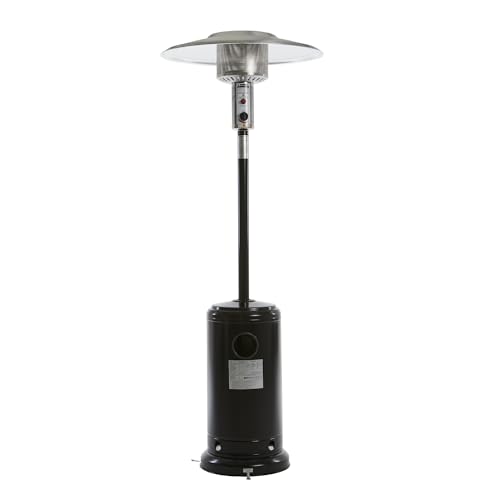
Gas patio heaters are a fantastic way to extend the outdoor season. However, they can be costly to operate. Gas heaters are more expensive to operate than electric models and require a continuous supply of fuel. It is important to consider the maintenance requirements and safety features of your chosen model before you purchase.
A professional installer can help you determine the cost of installation. This includes local material / equipment delivery and transportation by service provider to and from the worksite the time for setting up and labor, as well as mobilization time, as well as costs for any materials or services needed to prepare the work space. The estimate should include the costs of removing, shifting or modifying existing framing, fixtures and surface finishes, HVAC, electrical and plumbing systems, and making them compliant with current building codes.
Portability
Patio heaters are an excellent method to improve the usability of outdoor areas whether at the home or in a commercial. They can create an inviting glow in the area, as well as create a place for gathering. They are frequent in bars and pubs where they attract customers. People are more likely to linger at a table with a heater in the patio than those without. They could also stay longer in the area if they are aware that there is warmth in the area.
Unlike electric heaters, which are wired into the wall and are therefore restricted to the area the installation was made, gas heaters can be moved from one spot to another if needed. Gas heaters are a lot more flexible than electric heaters, which are often restricted by the length or the size of the power cord. The majority of patio heaters are designed to be easy DIY assemblies with all components included with a complete set of instructions on how to put them together. You can have your patio heater running within an hour after receiving it without calling an electrician professional.
Gas patio heaters are powered by propane or liquefied petroleum gas (LPG) cylinders and then burn this fuel to produce heat. The flames are directed to the screen through perforations and are reflect upwards, releasing heat into the surrounding space. A silvered hood on top of the burner reduces the loss of heat further by reflecting the infrared radiation back towards the patio.
Propane patio heaters are easily moved and offer a lot of heat in an area that is small. They are an excellent choice for those who want to warm their patios in the winter, and can be used in conjunction with barbecues or fire pits to make the space more relaxing. Propane heaters come in a variety of sizes and styles, so you'll choose one that is suitable for your outdoor space and needs.
The output of heat
When choosing a patio heater, it is essential to think about the output of heat. This is measured in British Thermal Units (BTU). A higher BTU count means that the heater will produce more heat. Propane is a popular choice for patio heaters as it has lower boiling points than butane, and it performs well even in very cold weather. Propane can be utilized to power a variety of patio heaters.
Gas patio heaters are an excellent addition for any outdoor space. It creates radiant heat that counteracts the coolness of the evening air and creates an inviting atmosphere for gathering. It is also ideal for restaurants and pubs with outdoor seating areas since people are more likely to sit and enjoy their drinks or food in warm temperatures.
Patio heaters come in a variety of different models, including gas towers that stand alone you see in the exterior of many restaurants and bars and portable heaters which use propane tanks readily available. These heaters are suitable for commercial and residential use. They are relatively inexpensive to operate, and provide plenty of heat for large outdoor spaces. Some have ceramic fascias that spreads heat, while others include an active flame that emits radiant energy.
Certain patio heaters can be put together by the homeowner. They include a complete set of parts made from composites as well as detailed instructions on how to put them together. However, the process of installation is more difficult for natural gas or propane heaters, since they require a professional to connect them to the gas line and then install an electrical socket.
Patio heaters that require a gas cylinder have an additional burner on top of the pole that is able to burn propane, butane or natural gas LPG. A reflector is also included to help in directing heat and reduce loss of heat from conduction. To ensure safe and efficient operation these models require gas regulators that match with the pressure of the cylinder.
A patio heater requires adequate ventilation because it releases gases such as carbon monoxide and hydrocarbons. It should never be used in a closed space however, it should only be used in areas that are well ventilated. A closed space can increase the oxygen in the air, leading to carbon monoxide poisoning and other serious health problems.